
Streamlining Household Management: The Shift to Digital Utility Statements
Managing household utilities often involves a constant flow of paper bills, each demanding attention and filing. For many homeowners, this traditional method creates a significant administrative burden. Physical statements can easily get misplaced, leading to missed deadlines or late fees. The sheer volume of mail can also feel overwhelming, cluttering countertops and filing cabinets, making it difficult to maintain an organized system for essential documents.
The reliance on paper bills also presents environmental considerations. Each statement, envelope, and accompanying flyer contributes to paper waste, impacting natural resources and landfill capacity. While individual contributions might seem small, collectively, the environmental footprint of millions of households receiving paper utility bills is substantial. Homeowners are increasingly seeking ways to reduce their ecological impact, and this area offers a tangible opportunity for positive change.
Furthermore, the security of personal information on paper bills is a growing concern. Sensitive data, such as account numbers and addresses, can be exposed if mail is intercepted or discarded improperly. The risk of identity theft or unauthorized access to financial details increases when documents containing such information are not handled with extreme care. This necessitates secure shredding or careful storage, adding another layer of complexity to an already busy routine.
Keeping track of payment history and usage trends can also be challenging with physical documents. Retrieving specific bills from past months for budgeting or dispute resolution often involves sifting through stacks of paper. This manual process is time-consuming and prone to errors, hindering effective financial oversight. A more accessible and centralized method for reviewing utility data could significantly simplify these tasks for homeowners.
The cumulative effect of these challenges is a less efficient and more stressful approach to managing essential household services. From environmental impact to personal data security and organizational hurdles, the traditional paper billing system often falls short of modern homeowners' needs for convenience, sustainability, and protection. Recognizing these points is the first step toward exploring more effective alternatives.
Underlying Factors Driving Paper Bill Challenges
- Lack of Centralized Digital Options: Many utility providers have historically relied on paper as the default, making digital adoption a secondary option. This often means homeowners aren't actively encouraged or easily guided towards paperless alternatives, leading to inertia.
- Habit and Familiarity: For decades, receiving paper bills has been the norm. Breaking this ingrained habit requires a conscious effort and a clear understanding of the advantages offered by digital alternatives. Some may feel more secure with a physical record.
- Information Overload: Homeowners often manage multiple utility accounts (electricity, water, gas, internet). Each company sending separate paper bills can quickly accumulate, creating a daunting administrative task rather than a simple routine.
Practical Pathways to Paperless Utility Management
Transitioning to paperless billing begins with a simple, yet impactful, step: proactive enrollment with each utility provider. Most companies now offer online portals where you can manage your account. Navigate to the billing section and look for options like "Go Paperless," "E-billing," or "Electronic Statements." This usually involves verifying your email address and confirming your preference for digital communications. This initial setup is straightforward and often takes only a few minutes per provider.
Once enrolled, it's highly beneficial to establish a dedicated digital folder or cloud storage system for your utility statements. Create separate subfolders for each utility (e.g., "Electricity," "Water," "Gas") and within those, further organize by year or month. This systematic approach ensures that all your digital bills are easily accessible and neatly archived, eliminating the need to search through countless emails or downloads when you need a specific document.
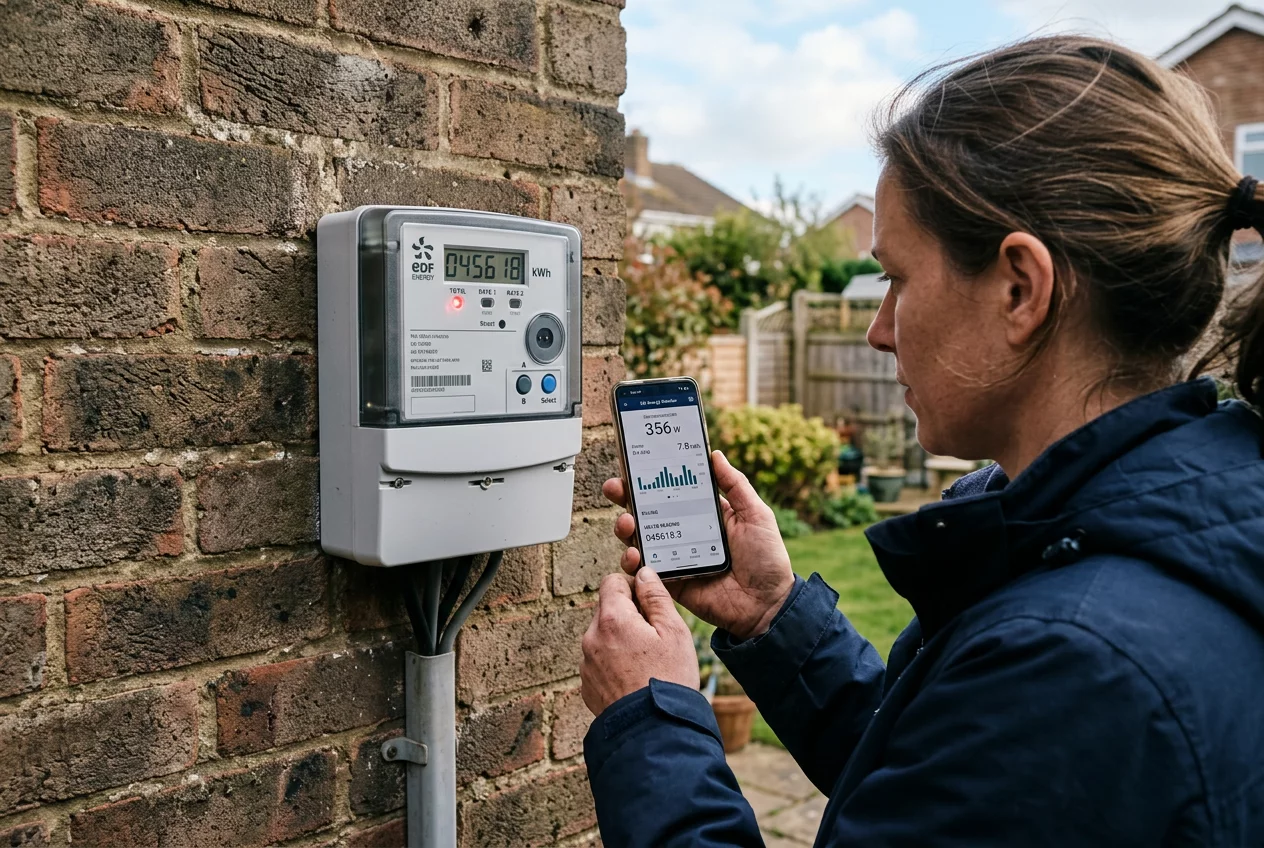
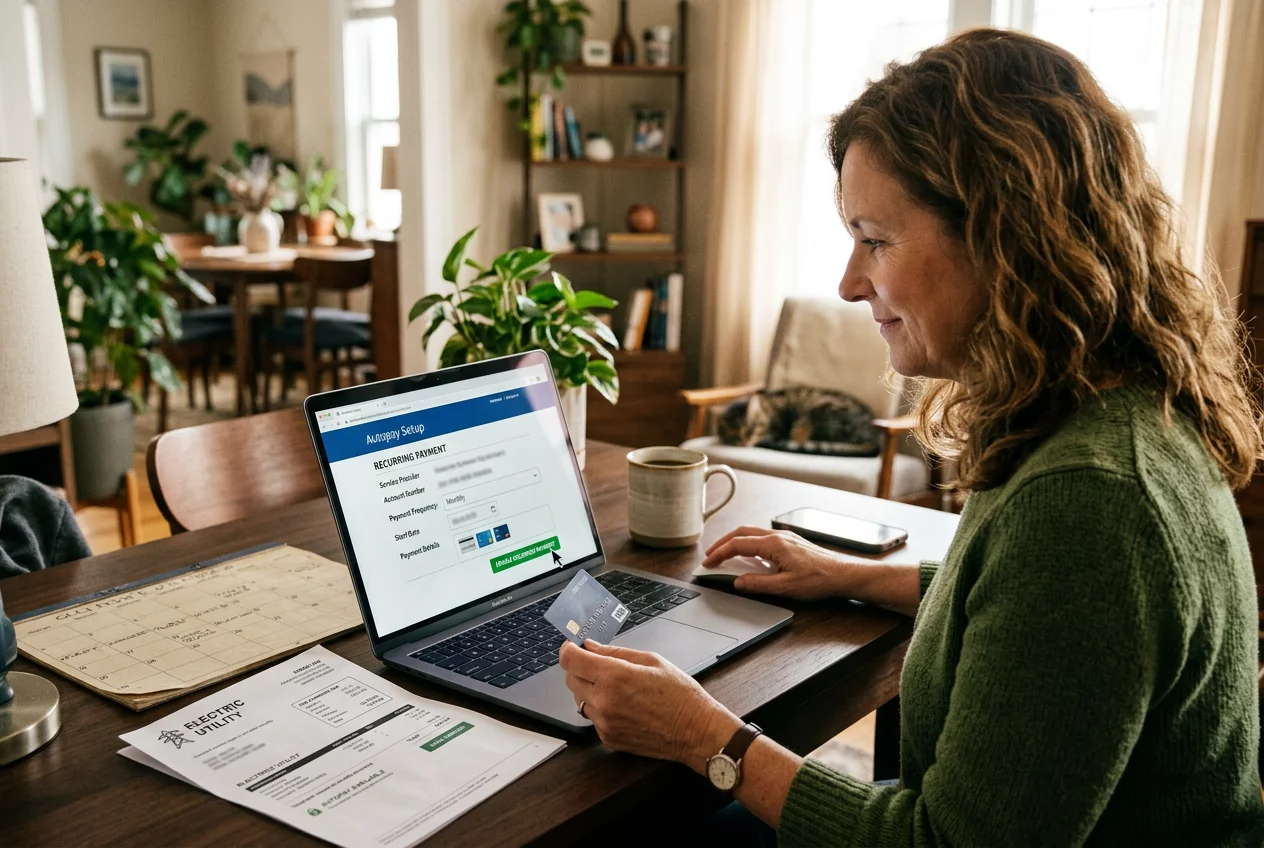
Another powerful solution involves leveraging automated payment and notification services. Many utility providers allow you to set up automatic payments directly from your bank account or credit card. Coupled with email or text notifications when a new bill is issued or a payment is due, this significantly reduces the risk of missed payments. Galvixily emphasizes the value of such integrated systems for enhanced household efficiency.
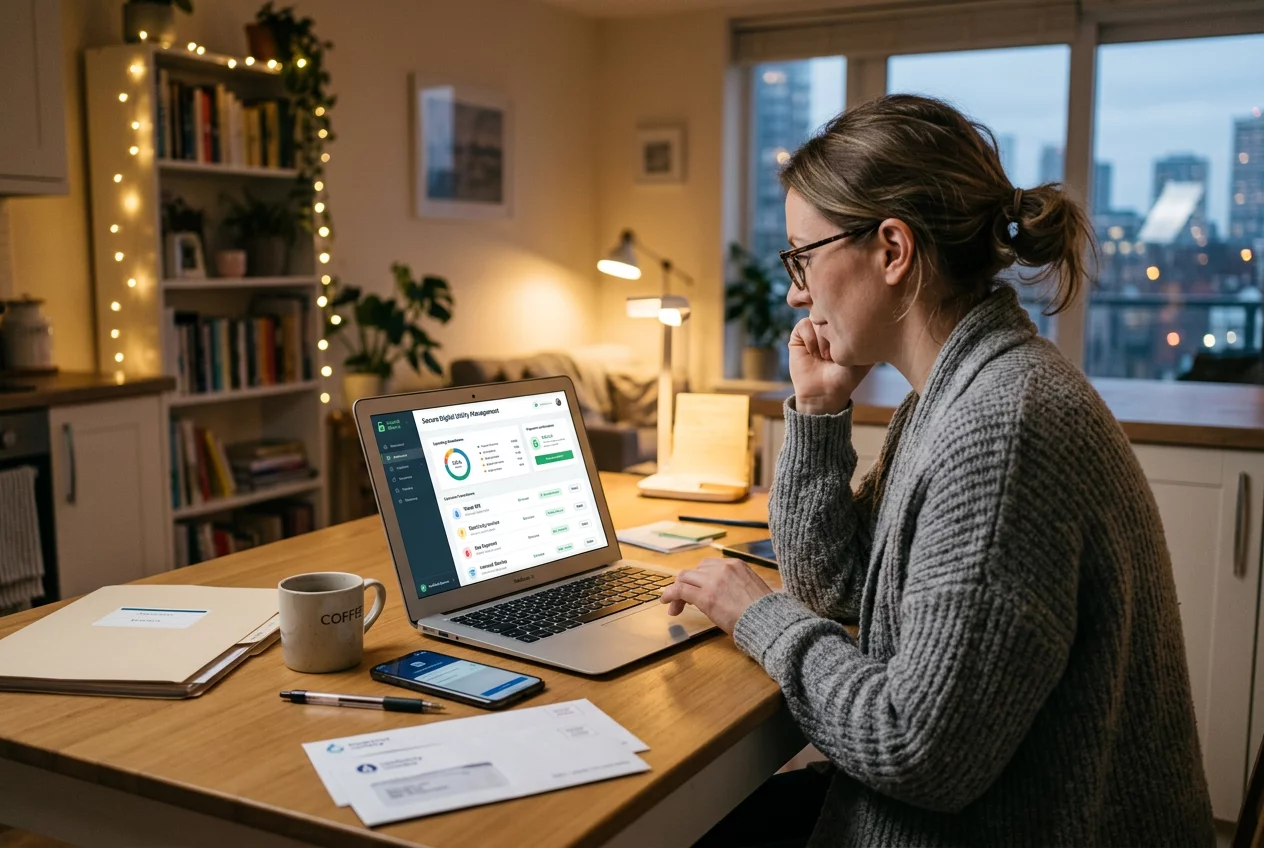
Consider using a personal finance management application that integrates with your bank accounts and utility providers. These tools can often pull in your billing data automatically, providing a consolidated view of your expenses and helping you track usage trends. This offers a powerful way to monitor your spending and identify potential areas for conservation, all within a single, user-friendly interface.
For those concerned about losing the physical record, a practical approach is to periodically review and download your statements from the utility provider's portal. Even if you don't print them, having a local copy stored on your computer or a backup drive provides an extra layer of security and accessibility, independent of internet access or the provider's website. This balances digital convenience with personal data control.
Finally, remember to update your contact information regularly with all your utility providers. Ensure your email address is current and that you're receiving all necessary notifications. This vigilance ensures that you stay informed about your accounts, payment schedules, and any important service updates, maintaining a smooth and uninterrupted experience with your paperless system. Galvixily supports homeowners in adopting these effective strategies.
Potential Challenges and Recommendations
- Email Overload/Missed Notifications: Your digital bills might get lost among other emails, leading to missed payments. Recommendation: Create a dedicated email folder for utility bills and set up specific email rules to automatically filter them. Consider adding utility notification emails to your "safe sender" list.
- Technical Access Issues: Forgetting passwords or having difficulty navigating online portals can be frustrating. Recommendation: Use a reliable password manager to store credentials securely. Bookmark direct links to your utility portals for quick access.
- Data Storage and Backup Concerns: Worry about losing digital records if a computer crashes or an online service is discontinued. Recommendation: Regularly download and save copies of your statements to an external hard drive or a secure cloud storage service.

Posts Comments
Write a Comment