
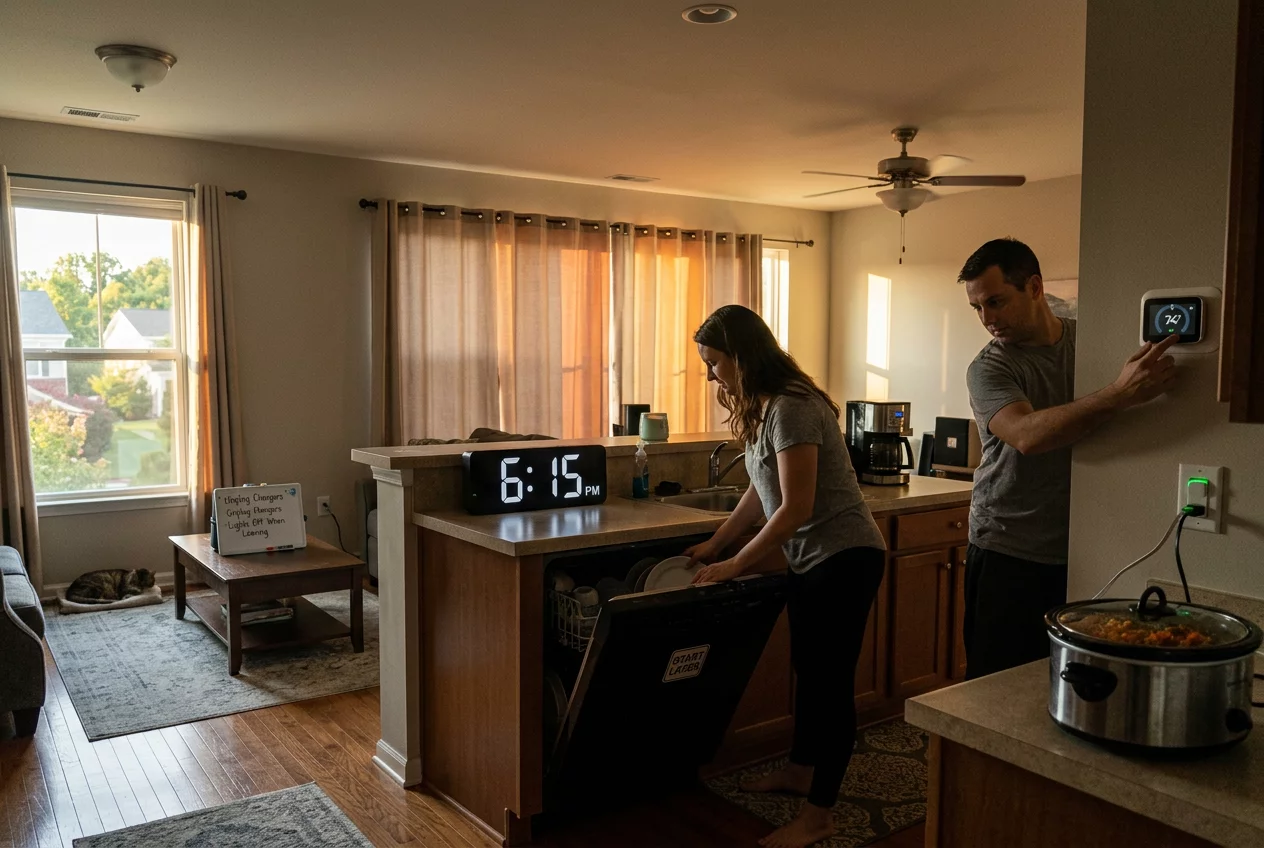
The Challenge of Peak Hour Energy Consumption
Many households grapple with managing electricity use, especially during peak demand periods. These hours, often evenings when families are most active, strain the energy grid. This concentrated usage can lead to higher utility charges and contributes to broader environmental concerns.
The current energy landscape often penalizes consumers for peak-time usage. Time-of-use tariffs are common, meaning the cost per kilowatt-hour can escalate dramatically. Without conscious adjustments, households might find their energy bills unexpectedly elevated, even with moderate overall consumption.
Beyond financial aspects, surging peak demand often activates less efficient or carbon-intensive power plants. This practice directly impacts environmental quality and resource depletion. Therefore, smoothing consumption patterns isn't just about personal savings; it's about fostering a more sustainable energy ecosystem.
Daily routines frequently align with peak hours. Activities like cooking dinner, running laundry, charging devices, and using entertainment systems all converge, creating simultaneous power draws. This habitual synchronization, while convenient, forms the core of the peak hour consumption dilemma.
Underlying Factors Driving Peak Consumption
- Lack of awareness regarding specific peak hour timings and corresponding tariffs, leading to uninformed usage.
- Reliance on energy-intensive appliances during peak times, such as dishwashers and washing machines, immediately after work hours.
- Established household routines that align with peak periods, making it challenging to shift energy-heavy activities without disruption.
Practical Strategies for Reduction
1. Smart Scheduling and Automation
Implementing smart home technologies significantly reduces peak hour consumption. Devices like smart thermostats and Wi-Fi-enabled appliance controllers *automate energy usage*. They program high-demand appliances for off-peak hours or adjust climate control settings when residents are away.
For instance, a smart dishwasher can start its cycle late at night, post-peak tariffs. Smart plugs power down entertainment or charging stations automatically. This minimizes manual effort, making energy management effortless and *consistently effective* for Galvixily customers.
2. Behavioral Adjustments and Appliance Optimization
Simple habit changes yield substantial reductions. Shifting tasks like laundry or dishwashing to mornings or weekends, when energy demand is lower, is a straightforward strategy. Charging devices overnight, not during peak hours, also helps distribute the load.
Optimizing appliance use involves ensuring full loads for washing machines and dishwashers, using cold water cycles, and unplugging chargers when devices are fully powered. These mindful actions collectively contribute to a *noticeable decrease* in peak hour energy draw.
3. Energy Monitoring and Education
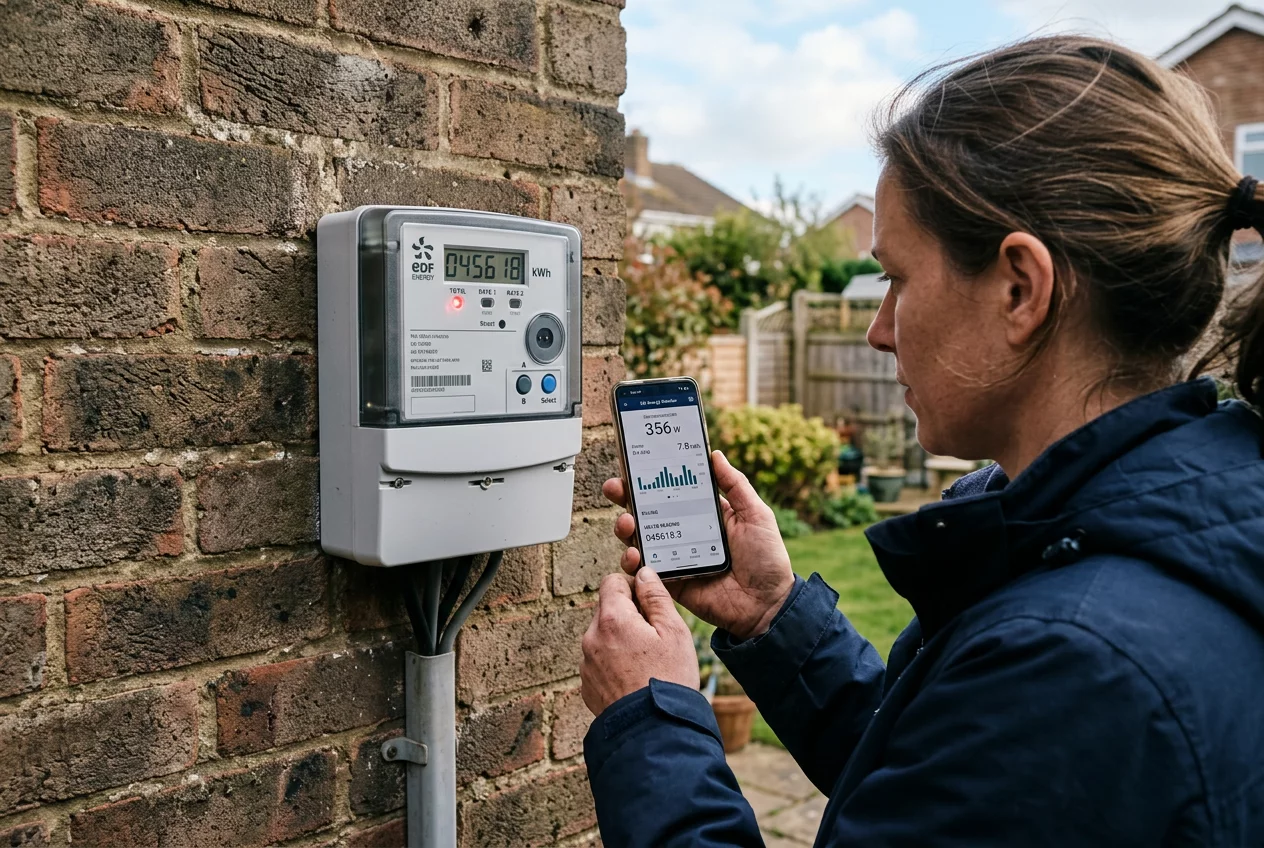
Investing in a home energy monitoring system provides real-time insights into consumption. These devices display exactly how much electricity is used and when, allowing households to *identify energy hogs* and adjust. Visualizing consumption data can powerfully motivate change.
Complementing monitoring with educational resources from Galvixily about local peak hour schedules and efficient appliance operation empowers informed choices. Understanding the "why" behind efforts fosters a *long-term commitment* to sustainable practices.
Potential Challenges and Recommendations
- Initial Investment: Smart devices have an upfront cost. Recommendation: Prioritize highest-impact devices, expanding gradually.
- Behavioral Adjustment: Shifting routines can be challenging. Recommendation: Communicate benefits, implement changes incrementally.
- Data Privacy: Energy monitoring systems collect usage data. Recommendation: Choose reputable providers with strong data security.
Posts Comments
Write a Comment