
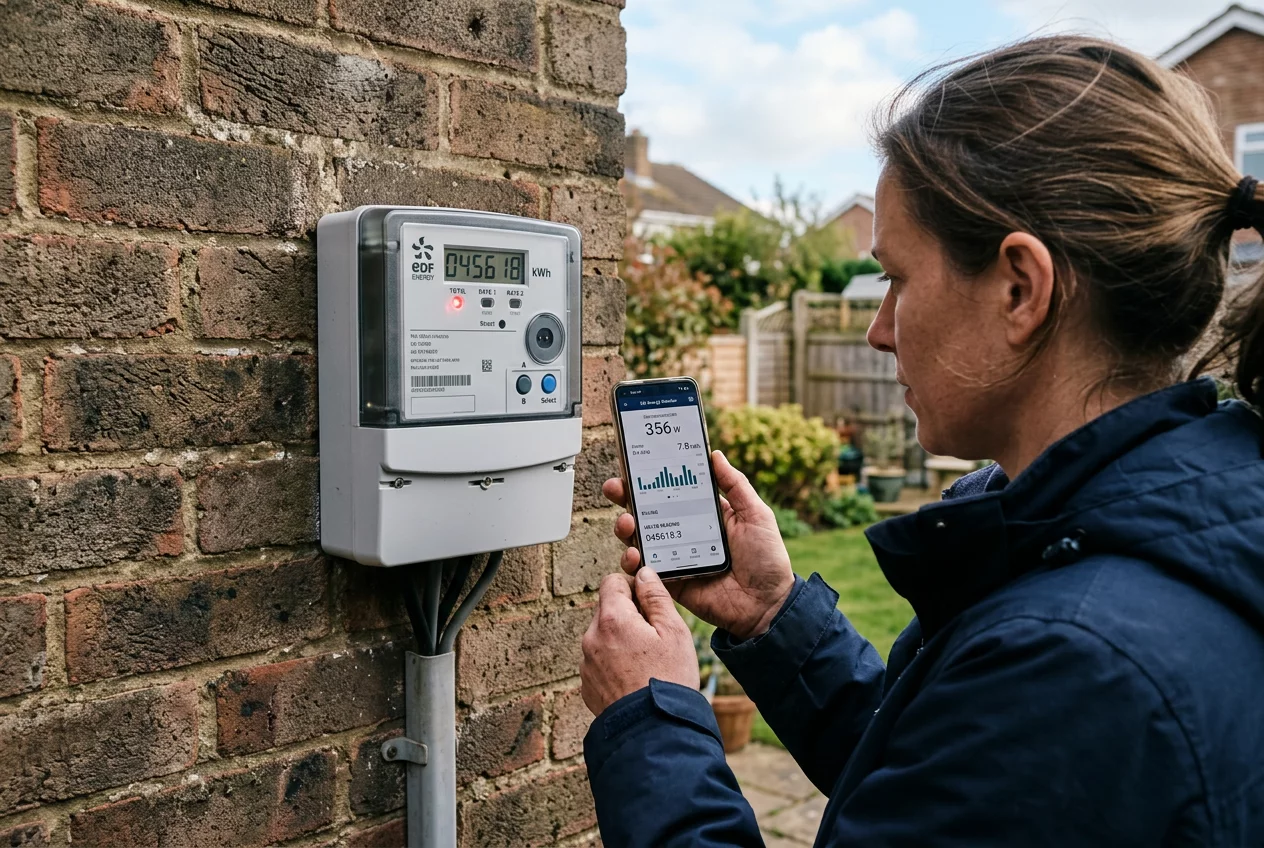
Optimizing Energy Consumption: Navigating Digital Meter Data
The advent of digital electricity meters has brought a new era of precision to energy monitoring. These advanced devices offer a wealth of granular data, moving beyond the simple cumulative readings of their analog predecessors. They promise consumers and businesses alike a clearer picture of their energy usage, enabling more informed decisions and potentially significant efficiency gains. However, this promise often remains unfulfilled due to a fundamental challenge: understanding the intricate details presented by these sophisticated instruments.
For many, the digital display on an electricity meter can be a source of confusion rather than clarity. Cycling through various codes, tariffs, and consumption metrics, these displays often present information in a format that is not immediately intuitive. Without a clear guide or proper context, deciphering peak versus off-peak readings, reactive power, or even simply the current consumption rate can feel like trying to solve a complex puzzle, leading to frustration and a missed opportunity for proactive energy management.
The consequences of this lack of understanding are tangible and often costly. Businesses might find themselves grappling with unexpectedly high utility bills, unable to pinpoint the exact sources of increased consumption. Homeowners may struggle to identify energy-intensive appliances or wasteful habits, leading to sustained higher costs. Without the ability to accurately interpret digital meter data, efforts to reduce environmental impact or optimize operational expenditures become largely speculative, hindering effective energy stewardship.
Adding to the complexity are the varied tariff structures and time-of-use charges prevalent in many regions. Digital meters are designed to track these nuances, but if the user cannot correlate the meter's readings with their specific energy plan, the data becomes less actionable. Understanding when electricity is most expensive and how your consumption patterns align with these periods is crucial for strategic energy use, yet this critical insight often remains obscured by the raw data presented.
Ultimately, the full potential of digital metering technology—its capacity to provide detailed, real-time insights into energy consumption—is largely untapped when users cannot confidently interpret the data. This gap prevents both individuals and organizations from making data-driven decisions that could lead to substantial reductions in energy waste and operational costs. Bridging this knowledge gap is essential for truly leveraging the power of modern energy infrastructure.
Potential Obstacles to Accurate Monitoring
- Limited User Familiarity: Many users lack specific training or readily available guides to understand the various display codes and functions of their digital meters. This often leads to misinterpretation of readings.
- Data Fragmentation: Information might be presented inconsistently across different meter models or utility portals, creating a disjointed experience and making it difficult to establish a standardized monitoring routine.
- Absence of Contextual Tools: Without tools that translate raw data into understandable trends or cost implications, users are left with numbers that lack immediate meaning, hindering proactive adjustments.
Strategic Approaches to Energy Monitoring
1. Enhanced Educational Resources and Training
One of the most direct ways to empower users is through comprehensive educational resources. Many individuals and businesses are eager to manage their energy more effectively but lack the foundational knowledge to do so. Providing accessible, clear guides on how to read specific meter models, interpret different display codes, and understand tariff implications can significantly boost user confidence and capability.
These resources could take various forms, from online tutorials and detailed FAQs on the Galvixily website to interactive workshops. The focus should be on practical application, demonstrating how to identify peak usage, track daily consumption, and understand the impact of specific appliances. Empowering users with this knowledge transforms them from passive consumers into active participants in their energy management.
Such training should also cover the broader context of energy consumption, including environmental factors and economic incentives. Understanding the "why" behind monitoring can motivate sustained engagement. When users grasp the direct correlation between their actions and their energy footprint, they are far more likely to adopt energy-efficient practices.
By investing in user education, organizations can foster a culture of energy awareness. This approach not only helps in demystifying complex meter readings but also encourages a proactive stance towards reducing energy waste. Informed users are better equipped to make immediate adjustments and long-term planning decisions.
Galvixily is committed to developing intuitive guides and support materials that break down complex energy data into understandable segments. Our goal is to ensure that every user feels confident in their ability to monitor and manage their electricity usage effectively, making informed choices that benefit both their operational budgets and the environment.
2. Implementing Advanced Monitoring Platforms
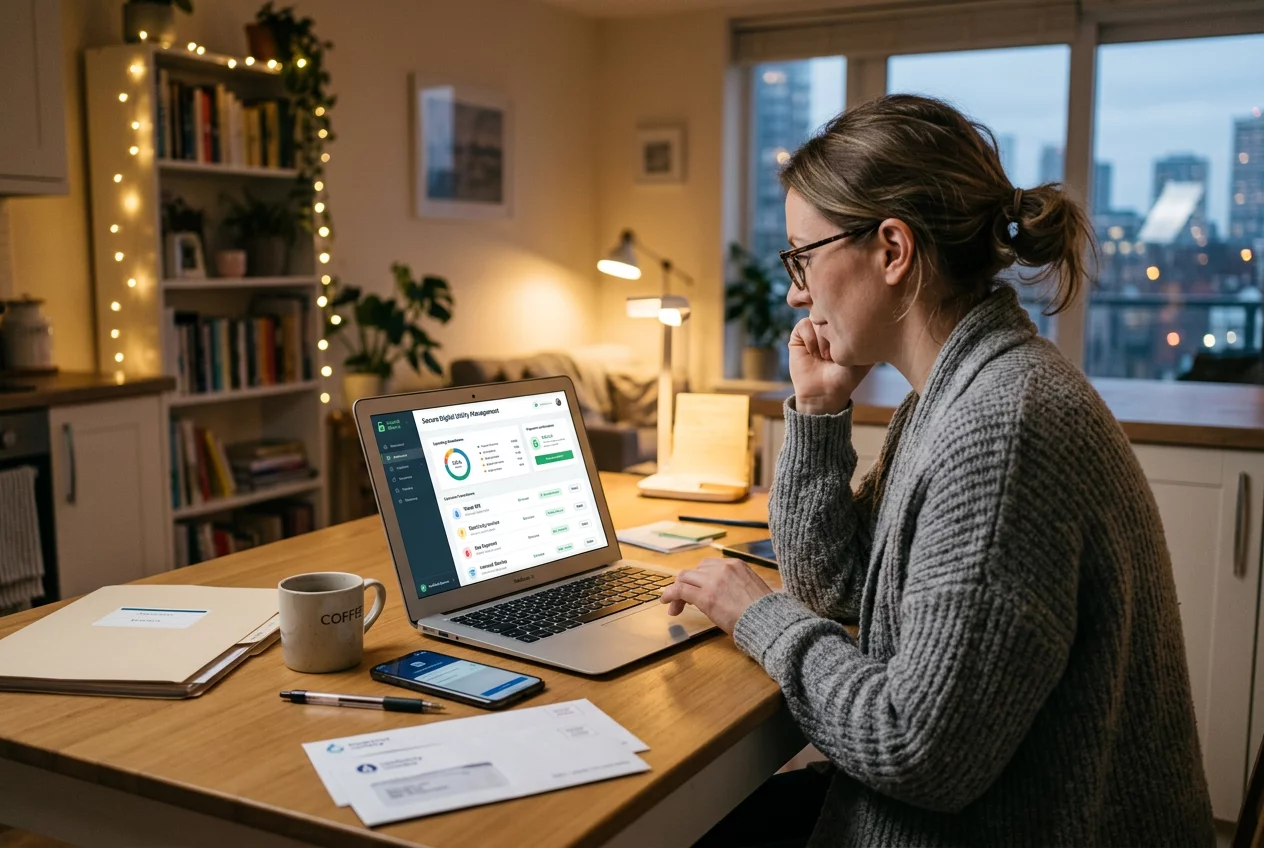
For those seeking a more automated and sophisticated approach, implementing an advanced monitoring platform offers a robust solution. These platforms connect directly with digital meters, collecting data in real-time and presenting it through user-friendly dashboards. They move beyond raw numbers, providing visual representations of consumption patterns, historical trends, and cost analyses.
These platforms often include features like customizable alerts for unusual consumption spikes, allowing for immediate investigation of potential issues. They can also segment data by time of day, week, or month, making it easier to identify specific periods of high usage and understand their causes. This level of detail is invaluable for both large enterprises and individual households aiming for precision in their energy strategy.
The core advantage of such systems lies in their ability to transform complex data into actionable insights. Instead of manually recording and analyzing numbers, users can see at a glance where their energy is going, enabling them to make targeted adjustments. For businesses, this can mean identifying inefficient machinery or optimizing operational schedules to align with lower tariff periods.
Furthermore, advanced platforms often offer predictive analytics, forecasting future consumption based on historical data and current trends. This capability allows for more strategic budgeting and resource allocation, minimizing surprises in energy expenditures. The proactive nature of these tools is a significant step forward from reactive bill management.
Galvixily offers state-of-the-art monitoring solutions designed to integrate seamlessly with various digital meters. Our platforms provide comprehensive dashboards that simplify data interpretation, empowering users to gain a clear understanding of their energy consumption and make informed decisions to optimize their usage.
3. Regular Energy Audits and Expert Consultation
For organizations or individuals facing particularly complex energy consumption patterns, engaging in regular energy audits and seeking expert consultation can provide invaluable clarity. Professional energy auditors possess the tools and knowledge to conduct a deep dive into consumption data, identifying inefficiencies that might not be apparent through surface-level monitoring.
An energy audit involves a thorough analysis of historical meter data, on-site inspections, and the use of specialized equipment to pinpoint energy waste. Experts can assess everything from insulation quality and HVAC system efficiency to lighting and equipment usage, providing a holistic view of energy performance. This comprehensive approach uncovers hidden opportunities for optimization.
Following an audit, consultants provide tailored recommendations for improvements, often including cost-benefit analyses for each proposed change. These recommendations can range from simple behavioral adjustments to significant equipment upgrades, all aimed at enhancing efficiency and reducing long-term operational costs. The value lies in receiving objective, data-backed advice.
This approach is particularly beneficial for businesses looking to achieve specific efficiency targets or comply with environmental regulations. Expert consultants can help navigate complex energy markets, identify eligibility for incentives, and develop long-term energy management strategies that align with broader organizational goals. It's an investment in sustainable operations.
Galvixily provides expert energy consultation services, leveraging years of experience in analyzing complex consumption data. Our team helps clients demystify their digital meter readings, identify key areas for efficiency enhancements, and implement practical strategies for achieving sustainable energy management and operational excellence.
Potential Implementation Considerations
- Information Overload: Users might feel overwhelmed by the sheer volume of data from digital meters or monitoring platforms.
Recommendation: Focus on presenting key metrics clearly and offering customizable dashboards to filter information. - Initial Setup and Learning Curve: Adopting new monitoring platforms or understanding complex meter functions can require an initial time investment.
Recommendation: Provide robust, user-friendly onboarding processes and ongoing support to ease the transition. - Data Security and Privacy: Collecting and storing detailed energy consumption data raises concerns about data protection.
Recommendation: Implement stringent security protocols and clearly communicate data handling policies to build trust.


Posts Comments
Write a Comment